Intersectional pedagogies
Working on Intersectional Pedagogical Toolkit
"When intersectionality meets childhood studies in Pedagogy, it expects that intersectionality operationalises the whole research for politicising childhood and children’s agency, particularly questioning how age intersects with other categories to construct children’s subjectivities in their communities and the discourses of childhood participation".
Manifesto I: Ethical Care and Well-being
Rethinking research, activism, and support through youth voices
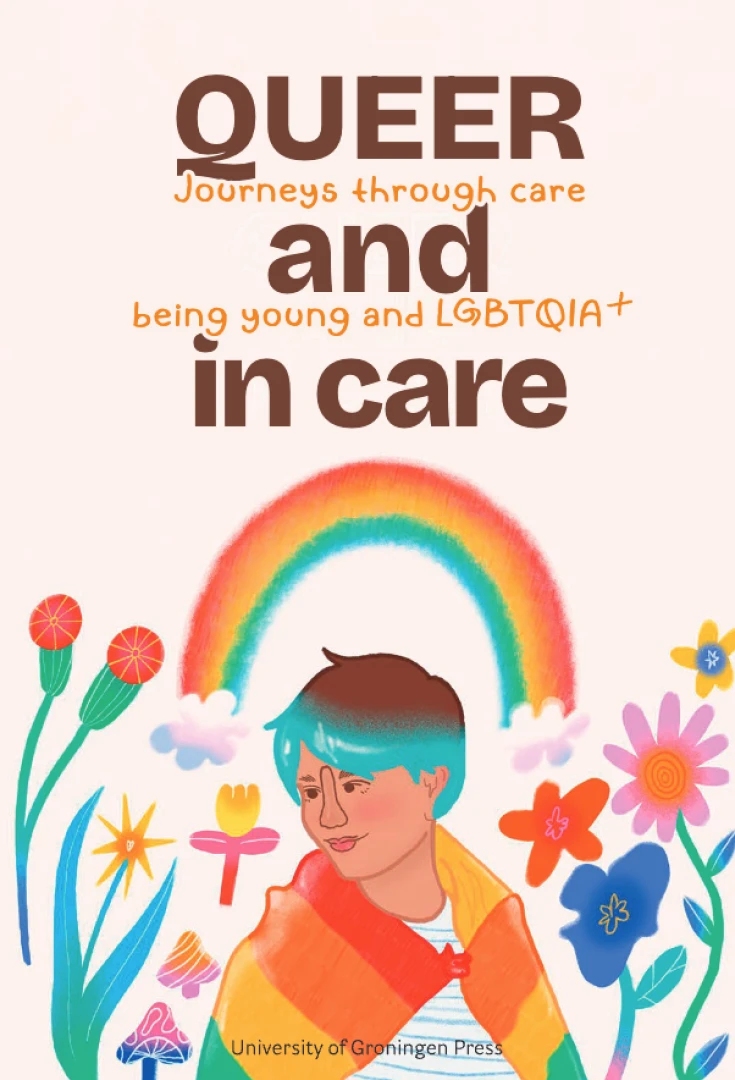
Queer and in Care: A Book Written By and For Youth
Queer youth are significantly overrepresented in out-of-home care settings, yet they often face invisibility, discrimination, and a lack of role models. This book breaks that isolation by offering peer support, advice, and validation, while reminding institutions and professionals of their responsibility to provide affirming, identity-conscious care.
An open-access, illustrated book co-authored by LGBTQIA+ young people who live or have lived in child protection systems (residential and foster care), in collaboration with the University of Groningen.

Manifesto I: Ethical Care and Well-being
Rethinking how we research, collaborate, and sustain youth activism
Our teams and youth communities in Colombia and the Netherlands joined forces to reimagine how we relate to one another in both research and activist organizing spaces. Born from a cross-continental dialogues, these two living manifestos set out shared commitments for ethical collaboration:
- Fieldwork Manifesto: It articulates 22 principles centered on sovereignty, subalternity, and "low voices" to challenge extractive academic models. It calls for horizontal relationships, embraces error and uncertainty as creative forces, demands addressing Global North–South power asymmetries, promotes linguistic justice, and reclaims art and embodied presence as political acts of resistance.
- Core Values of Relational Ethics in Youth Activism: Through a series of meetings and focus groups, the collective reflected on what ethical relationships look and feel like within youth organizing and activist spaces, resulting in a booklet articulating 13 core values (concepts to be added).
Work in progress. More information in Project outputs
Relational Ethics Values
Love
Empathy
Humility
Pluralism
Relationality
Mutual care
Reciprocity in caregiving/care taking
Revolutionary self-care
Forgiveness
Doing justice to prior work
Epistemological justice
Radical solidarity
Knowing when to walk away